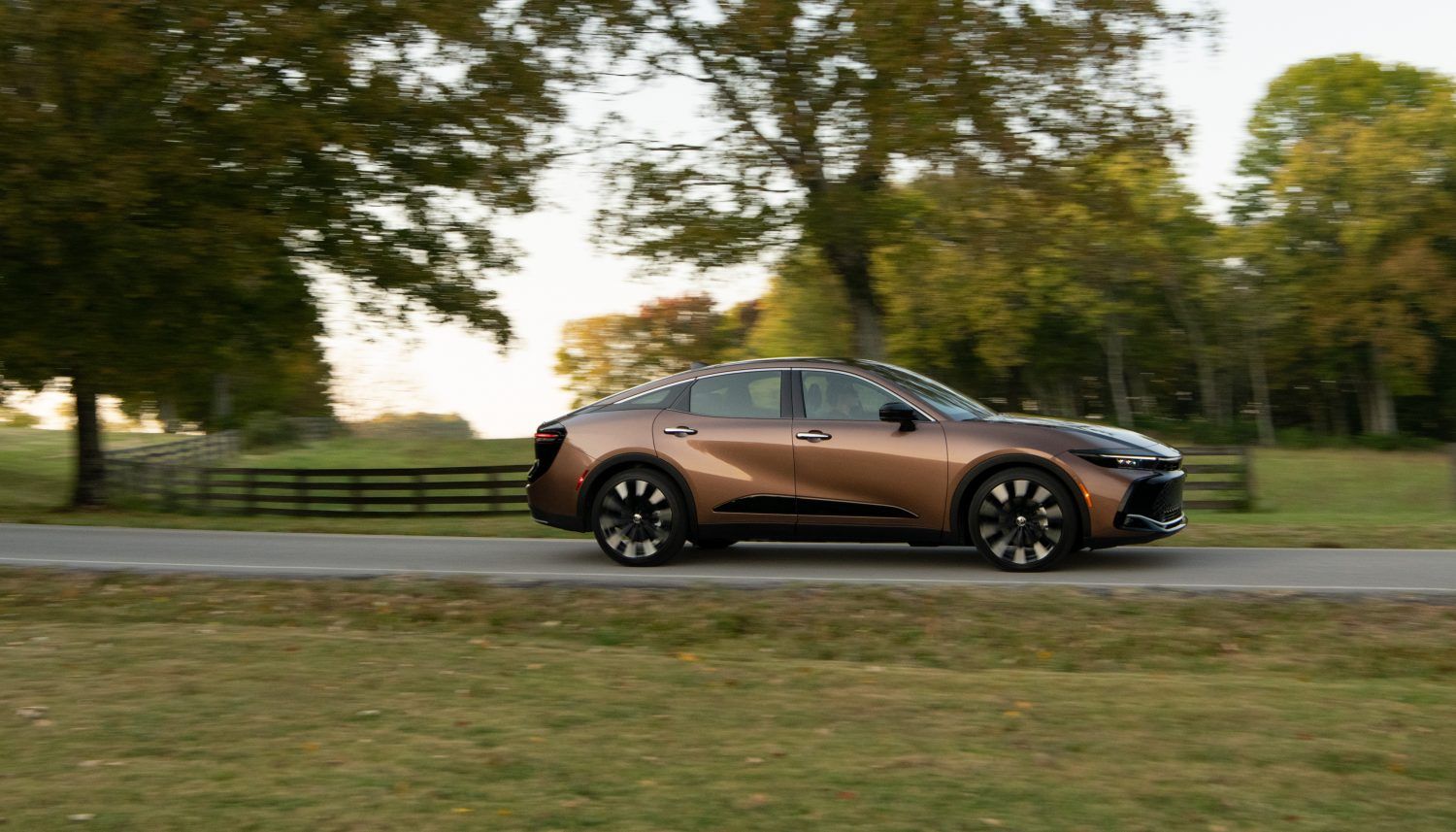
Toyota Driver Assistance Systems in Winter: Do They Have Limits?
Driver assistance systems rely on cameras and sensors to operate. Naturally, when a heavy snowfall hits Highway 440, or when slush gets kicked up...
Read more
| Monday | 9:00AM / 8:00PM |
| Tuesday | 9:00AM / 8:00PM |
| Wednesday | 9:00AM / 8:00PM |
| Thursday | 9:00AM / 8:00PM |
| Friday | 9:00AM / 6:00PM |
| Saturday | 10:00AM / 4:00PM |
| Sunday | Closed |
| Monday | 6:45AM / 5:00PM |
| Tuesday | 6:45AM / 5:00PM |
| Wednesday | 6:45AM / 5:00PM |
| Thursday | 6:45AM / 5:00PM |
| Friday | 6:45AM / 1:30PM |
| Saturday | Closed |
| Sunday | Closed |
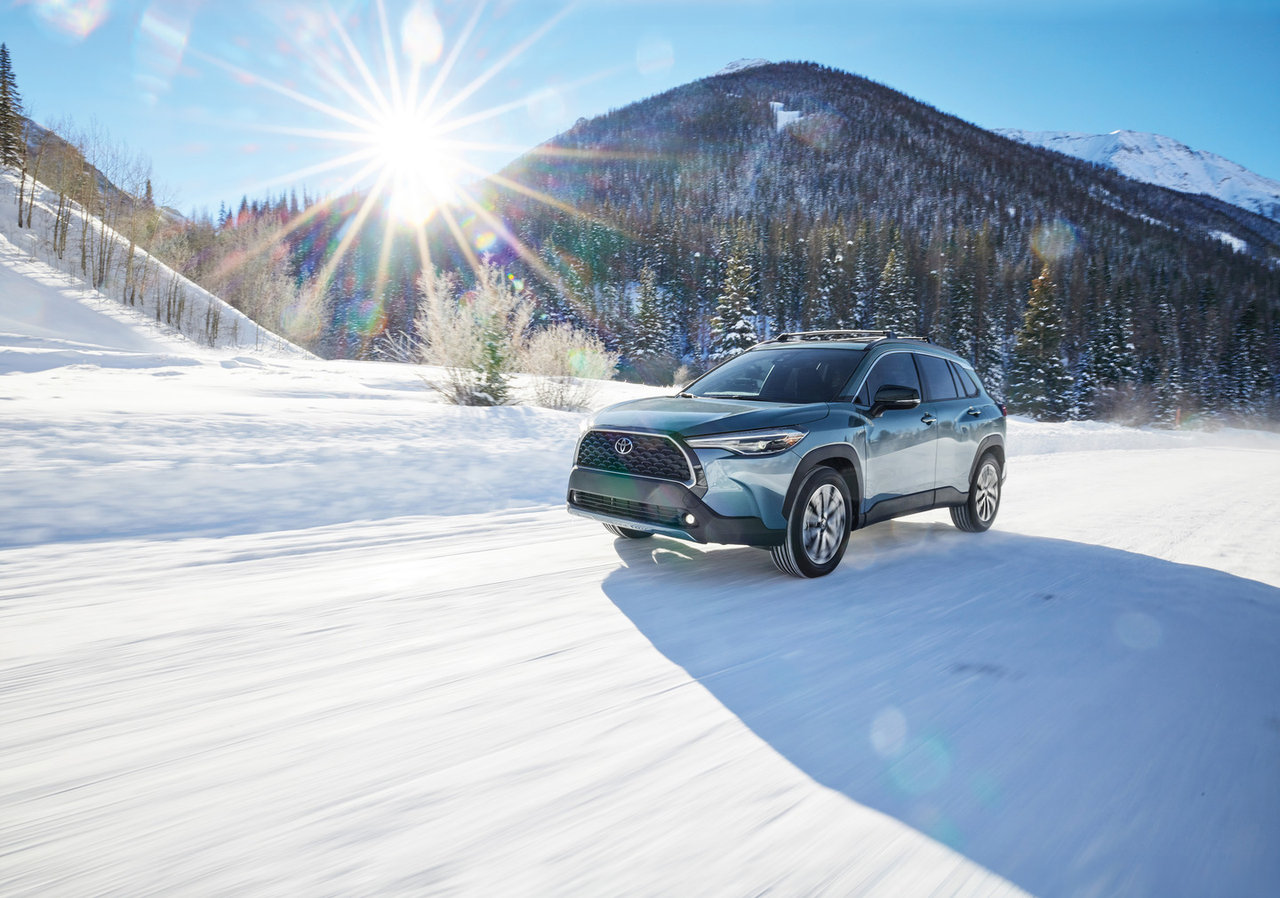
November may be the last month we can inspect a used vehicle in dry conditions. With snow and colder days ahead, it becomes much harder to go over a used vehicle with a fine-tooth comb in a parking lot. Plus, taking a test drive on clear pavement and finalizing your purchase before the first real storm hits is much more appealing.
However, we live in Quebec, and we have to deal with the weather. If you need to shop for a used vehicle in the dead of winter, here is what to look out for to avoid common pitfalls.
The good news is that by opting for a Toyota, you are choosing a brand with an undeniable reputation for reliability on the market. Even so, every used vehicle has a different history. Two RAV4 SUVs from the same model year may have been treated very differently. Here are the key points to check before signing a contract, along with a few models to consider based on your needs—models we certainly have in stock at Vimont Toyota Laval, or can easily find for you.
Start with the Maintenance History
A vehicle's service record often tells you just as much as a physical inspection. Ask for maintenance invoices, the vehicle history report, and the list of repairs performed. Oil changes done at regular intervals and parts replaced at the right time are great signs. An incomplete record isn't necessarily a dealbreaker, but it does warrant a more thorough inspection.
Six Things to Check Before Winter

| Component | What to Look For |
| Tires | Even wear, age, and condition of winter tires if included |
| Heating | Consistent heat, fan working at all speeds, functional defrosters |
| Battery | Age, cold start performance, shop test results |
| Brakes | Pad and rotor wear, straight and noise-free braking |
| All-Wheel Drive (AWD) | No warning lights on, no abnormal noises, up-to-date maintenance |
| Undercarriage | Rust, brake lines, fasteners, and components exposed to road salt |
Tires: An Easy Expense to Anticipate
Check the tread depth and wear across the entire width of the tire. Uneven wear can indicate an alignment or suspension issue. Also check the manufacturing date stamped on the sidewall. If the seller includes winter tires, inspect them with the same level of care—having to buy a new set right away can make the vehicle purchase much less attractive.
Heating and Winter Features
Turn the heater on from a cold start and see how quickly warm air arrives. Next, test the windshield defroster, the rear window defroster, and all fan speed settings. If the vehicle is equipped with them, test the heated seats, heated steering wheel, and heated mirrors—a well-equipped trim loses some of its appeal if these conveniences no longer work.
Remote start raises a specific question: does it operate via a key fob or a connected service like Remote Connect? In the latter case, a subscription may be required. Be careful with the equipment list handed to you; it can sometimes be misleading.
Battery and Brakes
Cold weather puts a battery to the test. A slow crank or dimming accessories can signal an upcoming replacement. A shop test provides a much more reliable answer than a simple hunch. For a hybrid model, have the condition of the hybrid system and its battery checked as well, and ask what warranty coverage still applies.
When it comes to brakes, a test drive isn't enough. The pads must be measured and the rotors inspected, as road salt and slush accelerate corrosion. The vehicle should brake in a straight line, without vibrations or squealing.
Checking the All-Wheel Drive System
During your test drive, drive slowly in tight circles in a parking lot. Listen for any clicking or clunking sounds and watch for warning lights on the dashboard. Out on the road, acceleration should feel crisp and smooth, with no hesitation. Not all AWD systems are designed the same way: several Toyota hybrid models use an electric motor to drive the rear wheels when needed. A technician can scan for trouble codes and confirm the system is operating properly.
Which Models Should You Consider?

The right choice depends mainly on how you plan to use it. Selection will vary by year and trim, but here are a few great options:
Corolla Hybrid: An economical choice for daily commutes, available with all-wheel drive in its current generation.
Corolla Cross: A raised, compact format for those wanting better ground clearance and AWD, available in several trims.
RAV4 Hybrid: A versatile and sought-after compact SUV, well-suited for small families.
Sienna: A spacious hybrid minivan for larger families, offering all-wheel drive on select trims.
Camry: The quintessential sedan—reliable and economical to run.
4Runner: If winter adventures and road trips appeal to you, this model boasts a durable track record and legendary reliability.
Why Look at Certified Pre-Owned Vehicles?
For extra peace of mind, the Toyota Certified Used Vehicles program offers an added layer of protection. It notably includes:
A 160-point quality assurance inspection.
Mechanical and cosmetic reconditioning.
A minimum 6-month / 10,000 km powertrain warranty, with zero deductible.
A 7-day or 1,500 km exchange privilege.
Warranty coverage honoured at over 1,500 Toyota dealerships across Canada and the United States.
These benefits don't replace the need for a test drive, but they significantly reduce your risk.
Visit Us at the Dealership
Before the snow flies, come discover the used vehicle selection at Vimont Toyota Laval. Our team can walk you through our certified vehicles, answer your questions about their history, and set up a test drive in Laval while the roads are still clear.
Toyota Driver Assistance Systems in Winter: Do They Have Limits?
Driver assistance systems rely on cameras and sensors to operate. Naturally, when a heavy snowfall hits Highway 440, or when slush gets kicked up...
Read more
Which Toyota Features Make Everyday Winter Driving More Comfortable?
The cold is really starting to set in as the holiday season approaches. On your morning commute, you have plenty of time to freeze before your...
Read more
Five Checks to Perform on Your Toyota Before Winter Sets In
In Quebec, winter weather arrives without warning. A single sub-zero overnight freeze is often all it takes to expose a weak battery, worn wiper...
Read morePowered and developed by
