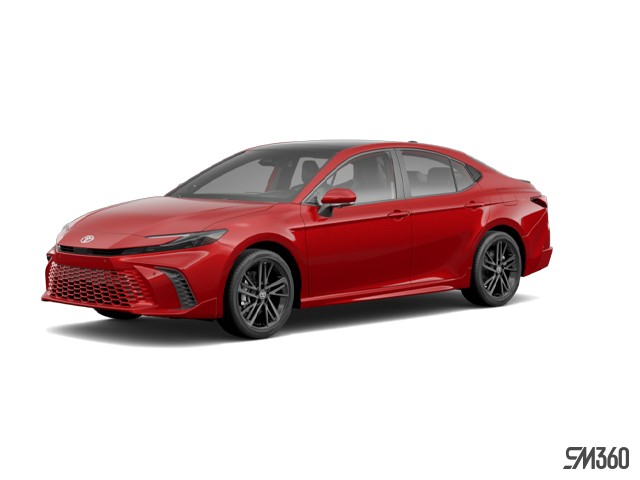
Photo for illustrative purposes only.
Find out more
| Monday | 9:00AM / 8:00PM |
| Tuesday | 9:00AM / 8:00PM |
| Wednesday | 9:00AM / 8:00PM |
| Thursday | 9:00AM / 8:00PM |
| Friday | 9:00AM / 6:00PM |
| Saturday | 10:00AM / 4:00PM |
| Sunday | Closed |
| Monday | 6:45AM / 5:00PM |
| Tuesday | 6:45AM / 5:00PM |
| Wednesday | 6:45AM / 5:00PM |
| Thursday | 6:45AM / 5:00PM |
| Friday | 6:45AM / 1:30PM |
| Saturday | Closed |
| Sunday | Closed |

In Quebec, winter weather arrives without warning. A single sub-zero overnight freeze is often all it takes to expose a weak battery, worn wiper blades, or washer fluid freezing inside the reservoir lines. These small oversights quickly turn into stressful emergencies when heading out early along Highway 15 or Highway 440.
A preventive maintenance inspection in November identifies these vulnerabilities before the first severe cold snap. Here are five essential areas to have inspected on your Toyota to head into winter with complete peace of mind.
Cold temperatures slash battery output just as cold engine oil demands more cranking power to start. A battery that operated without issue in September can fail on the first -20°C morning. A certified technician can perform a conductance test to evaluate state of charge and cold cranking amps (CCA), while inspecting terminals for corrosion and confirming cable security.
Toyota hybrid models require the same diligence. In addition to the high-voltage traction battery, they rely on a 12-volt auxiliary battery to power the vehicle's electronic systems and start the powertrain.
A battery exhibiting diminished health in the fall will not recover once sub-zero temperatures hit. Replacing it proactively prevents an inconvenient tow truck call on a frigid morning when you have kids to drop off or an important meeting to attend.

In Quebec, winter tires are legally mandatory from December 1 through March 15. Installing them earlier avoids the late-November rush and provides superior cold-weather traction as soon as temperatures drop and the first flakes fall. Before mounting your seasonal set, a technician will measure remaining tread depth, check for sidewall cracking or bulges, and verify fitment compatibility.
Tire pressure also demands regular attention. Ambient pressure drops as temperatures fall, which negatively impacts handling stability and fuel economy. Toyota’s recommended cold tire pressure is printed on the driver’s door jamb placard. Check your tire pressures cold roughly once a month throughout the winter.
Worn wiper blades leave streaks, chatter across the glass, or fail to clear heavy slush. In winter driving conditions, road salt and slush kicked up by surrounding traffic rapidly degrade forward visibility. Installing a fresh set of winter-specific wiper blades makes a dramatic difference.
Take advantage of your service visit to inspect the windshield de-icer elements and check the glass for stone chips. Minor chips can quickly spread into large cracks due to thermal shock between a warm cabin and frigid exterior air. Repairing a chip early prevents costly full-windshield replacements.
Leftover summer washer fluid will freeze solid in the reservoir tank and delivery lines or glaze over your windshield while driving. Flush and refill the system with winter-grade fluid rated down to at least -40°C. The technician should also test washer nozzle spray patterns and confirm fluid levels.
Always keep an extra jug of winter washer fluid in the vehicle. During blizzards or post-thaw highway drives, washer fluid consumption increases rapidly.
Road salt, slush, moisture, and repeated freeze-thaw cycles subject braking components to harsh operating conditions. A multi-point brake inspection measures brake pad lining thickness, examines rotor surfaces for uneven scoring or corrosion, and confirms that caliper slide pins move freely without binding. The technician will also check brake fluid condition, as moisture contamination degrades braking performance.
A minor brake squeal or sticking caliper might seem negligible in dry autumn weather, but on icy roads, any braking imbalance creates a significant safety hazard. Addressing brake maintenance while pavement remains dry ensures predictable stopping power all winter long.

Scheduling an early inspection lets you plan necessary repairs, order genuine parts if needed, and weigh maintenance options without urgency. Waiting until the first major snowstorm often means facing long appointment backlogs as drivers rush to service centers simultaneously. It also exposes you to the risk of an untimely breakdown far from home in freezing conditions.
Early scheduling also makes it convenient to bundle services. Seasonal tire changeovers, wiper replacements, and battery checks can all be completed in a single service visit. This saves you multiple trips and ensures your Toyota is fully prepared for the harshest days of January and February.
Most importantly, proactive preparation delivers complete peace of mind.
The service department at Vimont Toyota Laval knows your Toyota inside and out, as well as the demands of Quebec winters. Book your appointment today to have your battery, tires, wipers, washer system, and brakes inspected, and secure your winter tire installation date. Take to the road with total confidence when the first cold snap hits Laval.
Photo for illustrative purposes only.
Find out more
Cargo Volume Doesn’t Tell the Whole Story: Choosing the Right Toyota for Your Lifestyle
When vehicle shopping, buyers routinely focus on the cargo volume listed on the spec sheet. The higher the number, the more practical the space...
Read more
Plug-in Hybrid Vehicles: Are They Truly Cost-Effective If You Don’t Charge Every Day?
Plug-in hybrid vehicles (PHEVs) are attracting more and more Quebec drivers. The prospect of completing most daily commutes on electric power...
Read more
Toyota Corolla: 60 Years of Evolution, the Same Winning Formula
Few vehicles have spanned the decades quite like the Corolla. Introduced in Japan in 1966, Toyota’s compact car celebrates its 60th anniversary in...
Read morePowered and developed by
