Photo for illustrative purposes only.
Find out more
| Monday | 9:00AM / 8:00PM |
| Tuesday | 9:00AM / 8:00PM |
| Wednesday | 9:00AM / 8:00PM |
| Thursday | 9:00AM / 8:00PM |
| Friday | 9:00AM / 6:00PM |
| Saturday | 10:00AM / 4:00PM |
| Sunday | Closed |
| Monday | 6:45AM / 5:00PM |
| Tuesday | 6:45AM / 5:00PM |
| Wednesday | 6:45AM / 5:00PM |
| Thursday | 6:45AM / 5:00PM |
| Friday | 6:45AM / 1:30PM |
| Saturday | Closed |
| Sunday | Closed |
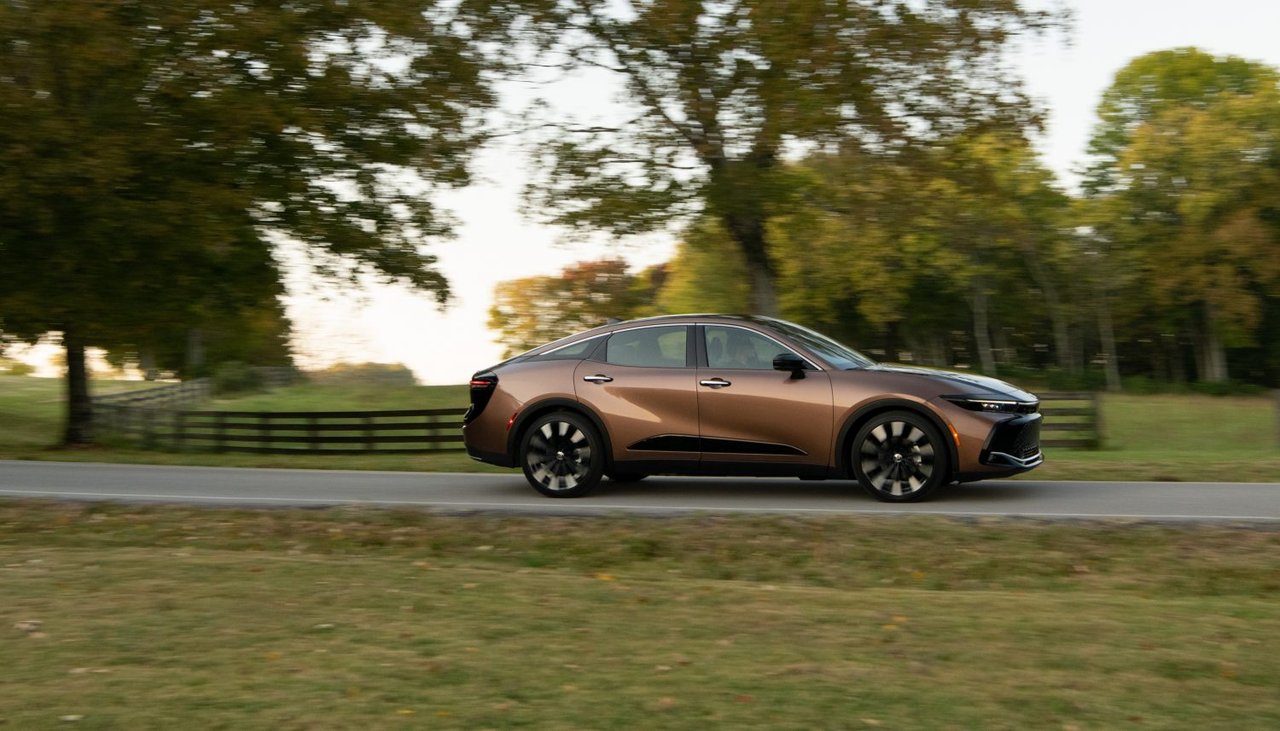
Driver assistance systems rely on cameras and sensors to operate. Naturally, when a heavy snowfall hits Highway 440, or when slush gets kicked up onto your vehicle by a passing truck, a message will eventually appear on your dashboard warning that certain systems may not be operating optimally. Many drivers have experienced this exact scenario and wondered whether their Toyota's safety features are still working.
The answer depends on the conditions. The Toyota Safety Sense (TSS) suite provides genuine support behind the wheel, but its features need a clear view of the road. Here is how the system works, what disrupts it in winter, and the right habits to adopt before hitting the road in Laval.
How Does Toyota Safety Sense Work?
Toyota Safety Sense brings together several driver assistance technologies. The system relies on two primary sensors: a radar unit mounted at the front of the vehicle near the grille and Toyota emblem, and a camera positioned behind the windshield. Together, they detect vehicles, pedestrians, lane markings, and more.
The specific version varies by model: Toyota Safety Sense 2.0 equips the Sienna, while 3.0 is found on the Corolla, Corolla Cross, Camry, and Grand Highlander. The 2026 RAV4, 2027 Tundra, and 2027 Sequoia move up to generation 4.0, featuring upgraded hardware and improved detection capabilities.
What Snow, Ice, and Slush Change

The principle is simple: an obstructed sensor can't see as well. Toyota notes that snow, ice, dirt, or heavy rain covering the radar, camera, or windshield can impair system performance. A severe storm can also limit visibility even if the sensors themselves are clean, as can blowing snow kicked up by the vehicle ahead of you.
| Feature | Its Role | Its Winter Limitation |
| Pre-Collision System | Helps avoid certain frontal collisions or reduce impact speed | Less reliable detection in severe weather or with a covered sensor |
| Dynamic Radar Cruise Control | Maintains a set distance from the vehicle ahead | Toyota advises against using it on snow-covered or icy roads |
| Lane Departure Alert & Lane Tracing Assist | Reads lane markings and helps keep the vehicle centered | Cannot operate if lane lines are hidden or unreadable |
| Automatic High Beams | Switches automatically between high and low beams | Less accurate in falling snow or with a dirty windshield |
| Road Sign Assist | Displays certain traffic signs to the driver | A snow-covered sign may be missed by the camera |
Adaptive Cruise Control: Caution Is Essential
This is the feature to watch most closely. While adaptive cruise control can maintain your speed and following distance, it cannot create traction. Toyota explicitly states that it should not be used on slippery, snow-covered, or icy roads. In these conditions, the driver should remain in direct control of speed to better modulate acceleration and deceleration.
When Lane Markings Disappear
After a winter storm, the lanes on Highway 15 or Highway 440 can become difficult to see. Lane Tracing Assist cannot follow lines it cannot detect. It can also mistake a snowbank edge or a wet reflection for a lane marking, especially on wet or slushy pavement. On snow-covered roads, it is best to keep both hands firmly on the wheel and rely on your own eyes.
Smart Habits Before You Drive

A few simple steps will help your systems function properly:
Completely clear snow from the front of the vehicle, including the grille and the Toyota emblem.
Clear and defrost the windshield area in front of the camera, and replace worn wiper blades.
If a warning message appears, pull over in a safe location, clean off the sensors, and resume driving.
Avoid accessories that block the front sensor, such as certain winter grille covers or snow bras.
A temporarily unavailable system does not necessarily indicate a malfunction—a covered sensor is often the sole culprit. However, if the warning message persists after the vehicle has been cleaned, you should have the system inspected.
A Valuable Aid, Never a Replacement
Toyota Safety Sense retains all its value during winter. In clear weather on well-plowed roads, the Pre-Collision System and other assists add an important margin of safety. Still, Toyota reminds drivers that these technologies never replace attentive driving—controlling speed, following distance, and vehicle trajectory remains the driver's responsibility at all times.
In winter, the formula stays simple: good winter tires, a properly cleared vehicle, an appropriate speed, and constant attention. Driver assistance features are there to back up those good habits. And if certain systems cannot operate optimally due to weather conditions, stay cautious, keep that limitation in mind, and leave extra following distance.
If you'd like to learn more about your vehicle's settings before the first storm hits, the team at Vimont Toyota Laval can walk you through the features equipped on your model and the dashboard alerts to watch for. Stop by to see us in Laval for a demonstration or to schedule an inspection for your Toyota.
Photo for illustrative purposes only.
Find out more
Which Toyota Features Make Everyday Winter Driving More Comfortable?
The cold is really starting to set in as the holiday season approaches. On your morning commute, you have plenty of time to freeze before your...
Read more
Buying a Used Toyota in Winter: What Should You Watch Out For?
November may be the last month we can inspect a used vehicle in dry conditions. With snow and colder days ahead, it becomes much harder to go over...
Read more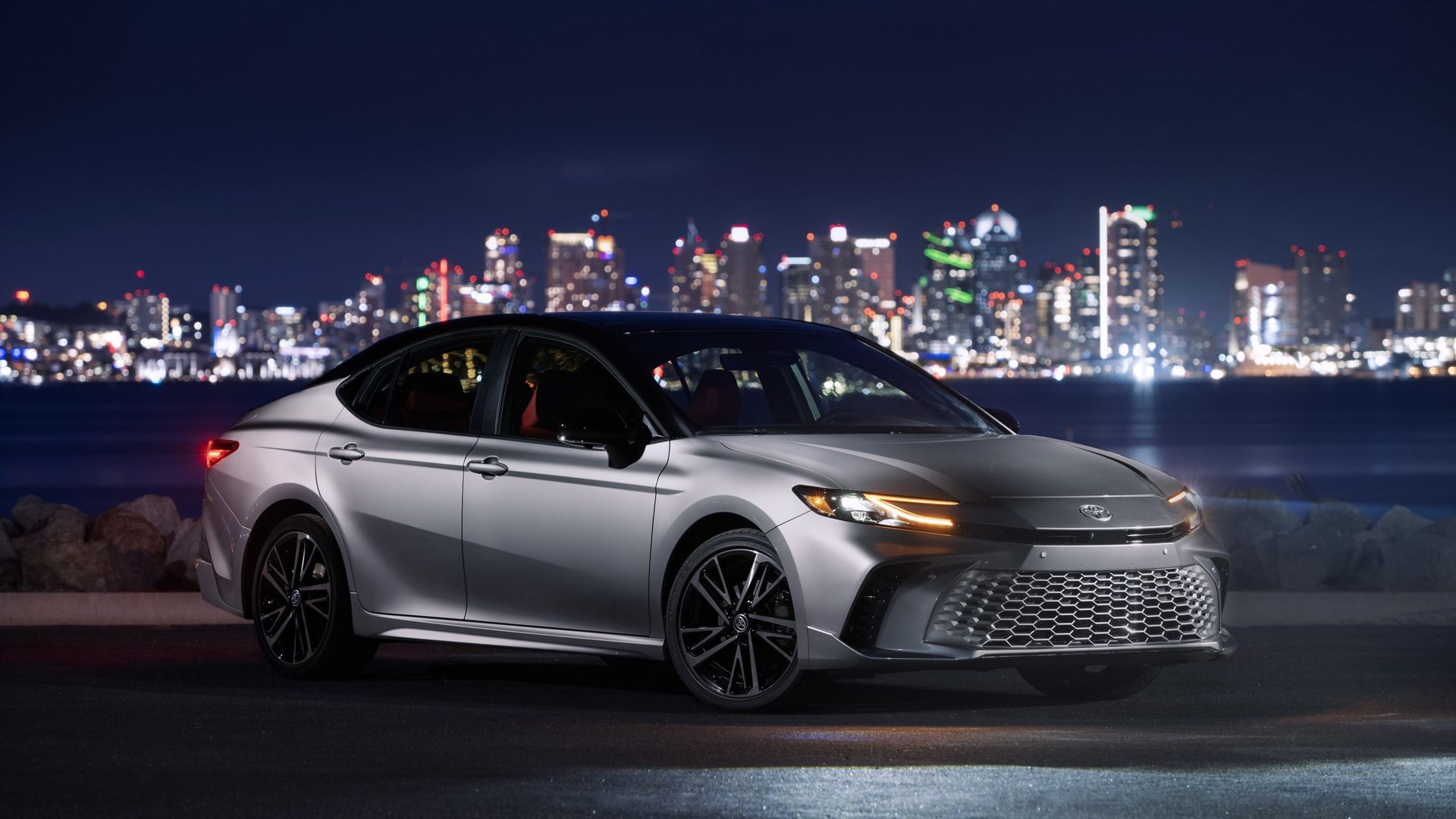
Five Checks to Perform on Your Toyota Before Winter Sets In
In Quebec, winter weather arrives without warning. A single sub-zero overnight freeze is often all it takes to expose a weak battery, worn wiper...
Read morePowered and developed by
